
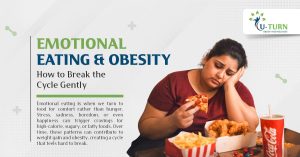
Understanding Emotional Eating
Emotional eating is when we turn to food for comfort rather than hunger. Stress, sadness, boredom, or even happiness can trigger cravings for high-calorie, sugary, or fatty foods. Over time, these patterns can contribute to weight gain and obesity, creating a cycle that feels hard to break.
The Link Between Emotions and Obesity
When emotional eating becomes frequent, the body starts storing excess calories as fat. Beyond physical effects, emotional eating often leads to feelings of guilt or shame, which may increase stress and trigger more overeating. This cycle makes it difficult to maintain a healthy weight or enjoy food without emotional attachment.
Recognize Your Triggers
Breaking the cycle starts with awareness. Common emotional eating triggers include:
Stress at work or home
Loneliness or boredom
Celebrations and social pressures
Negative self-talk or low self-esteem
Keeping a food and mood journal can help identify patterns and understand what drives your eating habits.
Strategies to Break the Cycle Gently
- Mindful Eating
Focus on the taste, texture, and aroma of food. Eating slowly helps you recognize real hunger signals and reduces overeating. - Build Healthy Coping Mechanisms
Instead of reaching for food, try:
Taking a short walk
Practicing deep breathing or meditation
Journaling your feelings
Talking to a friend or counselor
- Plan Balanced Meals
Ensure meals include proteins, fiber, and healthy fats. Balanced meals help stabilize blood sugar levels and reduce cravings. - Allow Yourself Flexibility
Restricting yourself completely can backfire. Treats are okay in moderation; the key is balance, not deprivation. - Seek Support
Professional guidance from a nutritionist, therapist, or support group can provide tools and accountability for sustainable change.
Small Changes, Big Impact
Breaking emotional eating patterns doesn’t happen overnight. Gentle, consistent steps—like practicing mindfulness, building coping strategies, and improving meal quality—can gradually reduce emotional eating and support healthy weight management.
Emotional eating is common, and it doesn’t mean you lack willpower. Understanding triggers and replacing them with compassionate, practical strategies allows you to regain control of your relationship with food and your body. With patience, you can break the cycle gently and sustainably.