
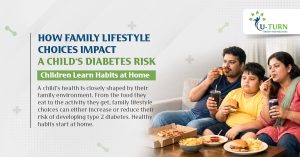
Children Learn Habits at Home
A child’s health is closely shaped by their family environment. From the food they eat to the activity they get, family lifestyle choices can either increase or reduce their risk of developing type 2 diabetes. Healthy habits start at home.
The Role of Nutrition
Children tend to mirror the eating patterns of their parents. Diets high in processed foods, sugary drinks, and fast food can contribute to weight gain and insulin resistance. Conversely, families who prioritize:
Fresh fruits and vegetables
Whole grains and lean proteins
Balanced meals at regular intervals
…give children a strong foundation for healthy blood sugar management.
Physical Activity: Moving Together
Active families raise active children. Sedentary habits, such as long hours of screen time, are linked to higher diabetes risk. Encouraging:
Family walks or bike rides
Active games and sports
Limiting TV and device use
…helps children develop a lifelong love for movement while reducing obesity-related risks.
Emotional Well-Being Matters
Stress, sleep patterns, and emotional health also influence a child’s diabetes risk. Family routines that include adequate sleep, open communication, and stress management strategies support healthy metabolism and decision-making around food.
Modeling Healthy Choices
Children are more likely to adopt behaviors they see at home. Parents who make mindful choices—like preparing healthy meals, choosing water over sugary drinks, and staying physically active—instill habits that protect against type 2 diabetes.
Small Changes, Big Impact
Even gradual adjustments in family habits can make a difference:
Swap sugary drinks for water or milk
Plan family activities that get everyone moving
Introduce one new healthy food each week
Encourage mindful eating instead of distracted snacking
These simple steps collectively reduce risk and promote lifelong health.
Family lifestyle choices profoundly affect a child’s risk of developing diabetes. By prioritizing balanced nutrition, regular activity, emotional well-being, and modeling healthy habits, families can create an environment that protects children and supports long-term wellness.